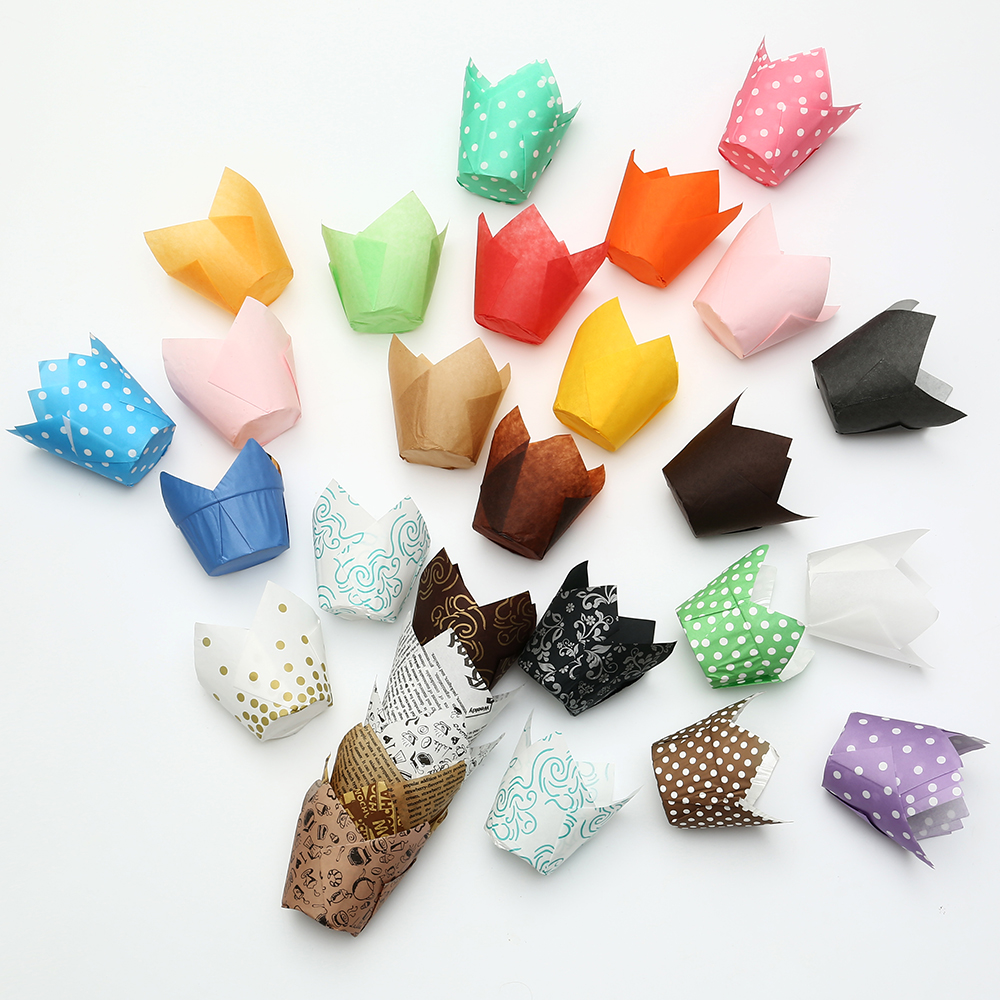
In the world of baking, the humble cupcake liner often plays second fiddle to the recipe itself. We obsess over the fluffiness of the sponge, the stability of the buttercream, and the precision of the measurements. Yet, the cupcake liner is the unsung hero of presentation and functionality. It’s the first thing a customer or guest sees, and it’s the last thing that protects the integrity of your bake.
Choosing the right cupcake liner isn't just about color or pattern; it's a science of heat conduction, food safety, and structural engineering. A poor-quality liner can lead to "greasy bottoms," unsightly "tunneling" (where the paper peels away from the cake), or even chemical migration from the ink into your food.
Whether you are a home baker looking for that perfect rustic look or a professional bakery sourcing bulk cupcake liners for your daily operations, this guide will walk you through everything you need to know. We will dive deep into materials, coatings, certifications, and trends to ensure your next batch is not only delicious but perfectly presented.
1. The Anatomy of a Cupcake Liner: Material Matters
The foundation of any good liner is its base paper. Not all paper is created equal, especially when it's destined for a 350°F (175°C) oven.
Bleached vs. Unbleached (Natural Brown)
-
Bleached (White): These liners undergo a whitening process. High-quality manufacturers use Elemental Chlorine Free (ECF) or Totally Chlorine Free (TCF) methods. They offer a clean, classic aesthetic that makes vibrant frosting colors pop. However, be wary of "bargain" white liners that may use optical brighteners (fluorescent agents) to appear whiter, which are not food-safe.
-
Unbleached (Natural Kraft): These are the "brown paper bag" variety. They are gaining massive popularity in the eco-friendly cupcake liners market because they are biodegradable and compostable. They offer a rustic, artisanal look perfect for farmers' markets and organic bakeries.
The Weight (GSM) Factor
GSM stands for grams per square meter. It measures the density of the paper.
-
35-40 GSM: Standard quality. Suitable for home baking where the liner sits inside a metal muffin tin.
-
45-60 GSM: Premium quality. These are thicker, providing better support for the cake structure. They are less likely to "soften" from oil migration and are the preferred choice for bakeries because they prevent the liner from collapsing when handled by customers.
The "Greaseproof" Secret: Silicone Coating
Why don't your cupcakes stick to the paper? Silicone. Most high-quality paper cupcake liners are coated with a layer of food-grade silicone.
-
Single-Sided Coating: Usually coated on the inside only. Good for standard baking.
-
Double-Sided Coating: Coated inside and out. This is the gold standard for professional baking. It provides superior grease resistance, prevents the "greasy bottom" syndrome, and ensures the liner peels away cleanly from the cake.