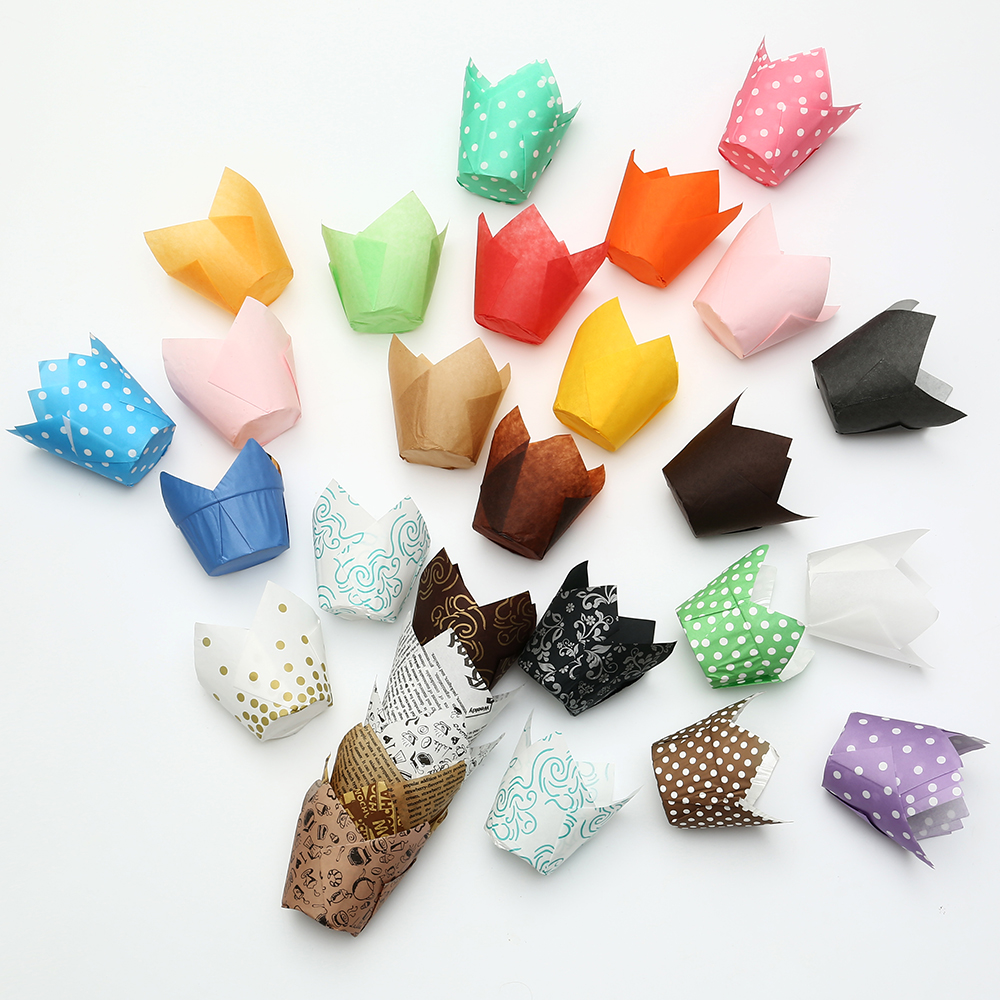
For years, the sustainability conversation in food packaging has been dominated by one word: Compostable. But the reality is far more complex. Most "compostable" packaging, including many baking cups, requires the high heat and controlled conditions of an industrial composting facility to break down. These facilities are not available to the majority of consumers. As a result, most "compostable" liners end up in landfills, where they behave no differently than traditional plastic. The future of sustainability isn't just about disposal; it's about recycling. This is the story of how recyclable cupcake liners are being engineered for the circular economy.
1. The Problem with "Compostable"
- The Infrastructure Gap: Less than 5% of the US population has access to curbside composting. In Europe, the numbers are better but still far from universal.
- The Contamination Issue: Compostable packaging often looks identical to traditional plastic. This leads to consumer confusion and contamination of both the recycling and composting streams. A single compostable liner in a batch of recyclable paper can ruin the entire batch.
- The Landfill Reality: In a landfill, deprived of oxygen, "compostable" materials often fail to break down and can even produce methane, a potent greenhouse gas.
2. The Circular Economy Solution: Recyclability
The circular economy is based on three principles: design out waste and pollution, keep products and materials in use, and regenerate natural systems.
- The Goal: Packaging that can be recycled back into new packaging, over and over again, without losing quality.
- The Challenge for Baking Cups: Traditional liners are coated with silicone or PLA (plastic). These coatings are contaminants in the paper recycling process. They must be removed, which is often difficult and expensive.
3. Water-Based Barrier Coatings (WBC): The Game-Changer
WBCs are the key to creating truly recyclable baking cups.
- The Technology: These coatings use water as a carrier for natural polymers (like styrene-acrylics or styrene-butadienes). The coating is applied to the paper and then dried. The water evaporates, leaving behind a thin, invisible barrier.
- The "Repulpable" Magic: Because the coating is water-based and applied in a very thin layer, it breaks down during the paper recycling process (repulping). The paper fibers are separated from the coating, and both can be recovered. The result is a high-quality pulp that can be used to make new paper products.
- The Performance: Modern WBCs can achieve high grease-resistance ratings (Kit 9-12), making them fully functional for baking.
4. Mono-Material Design: Keeping it Simple
A core tenet of the circular economy is mono-material design—using a single type of material for a product.
- The Problem with Multi-Material: A liner that is paper coated with silicone or PLA is a multi-material product. Separating these materials for recycling is difficult and costly.
- The WBC Solution: A WBC-coated liner is essentially a mono-material product. It is paper with a water-based coating. This makes it easy for recycling facilities to process. It's "just paper."
5. The "Blue Bin" Advantage
The biggest advantage of recyclable cupcake liners is convenience.
- Consumer Behavior: Consumers are far more likely to recycle than to compost. Recycling bins (the "blue bin") are ubiquitous in homes, offices, and public spaces. Composting bins are rare.
- The Clear Message: The message to the consumer is simple: "When you're done, toss it in the blue bin." This eliminates confusion and increases the likelihood of proper disposal.
6. The Quality of Recycled Fiber
A common concern is whether recycled fiber is of lower quality.
- The Truth: With modern recycling technology, high-quality paper products can be made from recycled fibers. In fact, recycling paper uses 40% less energy and 50% less water than making paper from virgin wood pulp.
- The WBC Benefit: Because WBCs break down cleanly, they don't contaminate the recycled pulp. This results in a higher quality recycled fiber that can be used for a wide range of products, including new food packaging.
7. The Economic Case for Recyclability
- The Cost of Composting: Industrial composting is expensive. It requires specialized facilities, collection trucks, and energy to maintain high temperatures.
- The Revenue from Recycling: Recycling, on the other hand, can generate revenue. Recycled paper fibers have market value. By designing for recyclability, brands can potentially offset some of their packaging costs.
- The "EPR" Factor: Extended Producer Responsibility (EPR) laws are being enacted around the world. These laws make manufacturers financially responsible for the end-of-life management of their packaging. Designing for recyclability can significantly reduce a brand's EPR fees.
8. B2B Strategy: Marketing the "Circular" Story
For brands, recyclable baking cups offer a powerful marketing advantage.
- The Message: "Our liners are part of the circular economy. They are made from recycled materials and can be recycled again and again."
- The Target: Eco-conscious corporations, municipalities with strong recycling programs, and consumers who are tired of "greenwashing."
- The Certification: Look for certifications like the "Recyclable" logo from recognized bodies (e.g., How2Recycle in North America). This provides clear, credible guidance to consumers.
9. The Limitations and the Future
- The Current Limitation: Not all recycling facilities are equipped to handle WBC-coated papers yet. However, the technology is rapidly being adopted as the demand for sustainable packaging grows.
- The Future: We are moving towards a world where all food packaging is either reusable or recyclable. WBCs and mono-material design are leading the way. The next frontier is "smart" coatings that can be easily removed during repulping, leaving behind pristine fibers.
10. The Role of the Consumer: Closing the Loop
The circular economy only works if consumers participate.
- The Education: Brands must educate consumers on how to properly dispose of their packaging. Clear labeling is essential.
- The "Wishcycling" Problem: Consumers often put things in the recycling bin that don't belong there (like plastic bags or food waste). This "wishcycling" contaminates the stream. Clear labeling on recyclable cupcake liners can help prevent this.
Conclusion: Beyond the Bin
The journey of a cupcake liner shouldn't end in a landfill or a composting facility that may not even exist. Its journey should be a loop—from the forest, to the factory, to the bakery, to the consumer, and back to the factory to be reborn as a new product. Recyclable cupcake liners, enabled by Water-Based Barrier Coatings, are the key to closing the loop. They represent a shift from a linear "take-make-waste" model to a circular one that respects our planet's finite resources. It's time to think beyond the bin and design for a future where waste is a thing of the past.