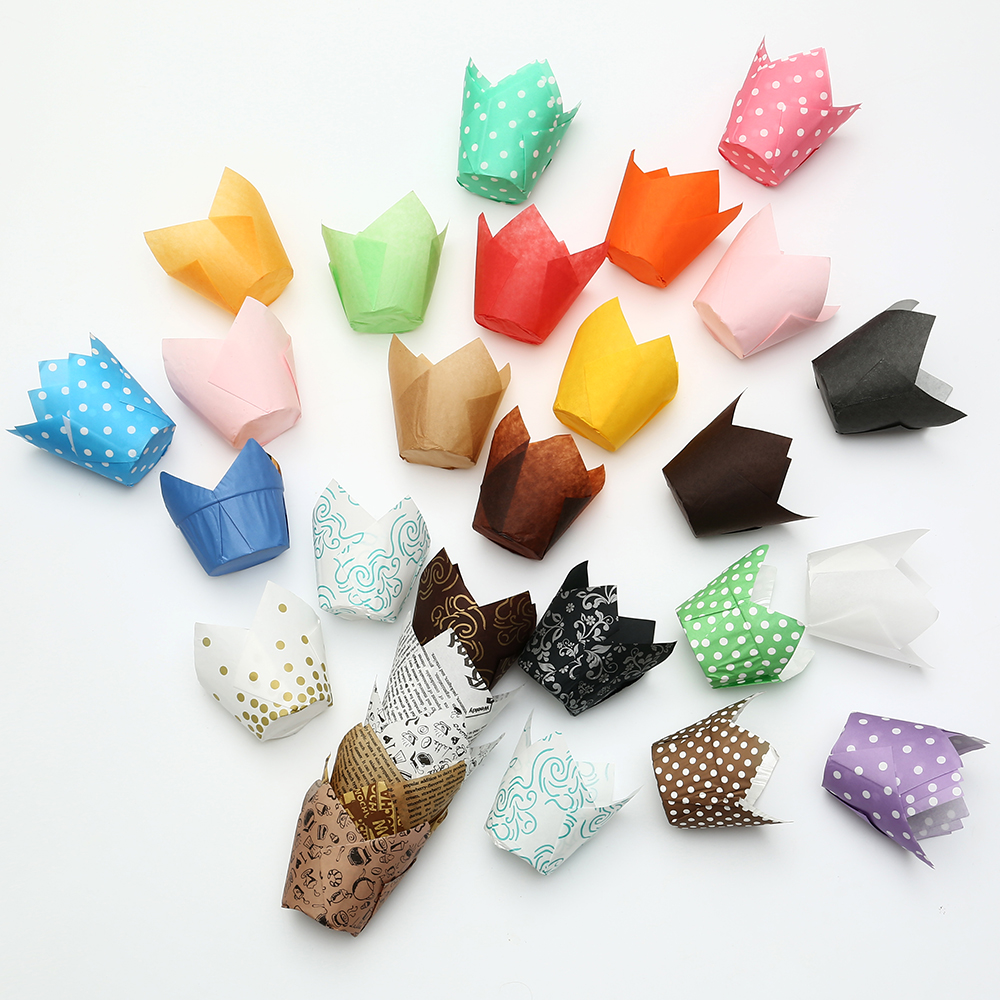
When a customer asks if your cupcakes are Kosher, Halal, or Allergen-Free, they aren't just asking about the flour and eggs. They are asking about the entire product ecosystem, including the ink on the wrapper, the glue in the seam, and the coating on the paper. For hospitals, schools, airlines, and religious institutions, the packaging is just as important as the food. Failing to provide certified kosher baking cups or allergen free cupcake liners can lead to lost contracts, lawsuits, and reputational damage. This guide decodes the complex world of packaging compliance.
1. Kosher Certification: The "Pareve" Standard
In Jewish dietary law (Kashrut), food is categorized as Meat (Fleishig), Dairy (Milchig), or Neutral (Pareve).
-
The Requirement: To be used in a Kosher kitchen or bakery, liners must be certified Pareve. This means they contain no meat or dairy derivatives.
-
The Hidden Dangers:
-
Gelatin: Some "food-grade" glues or coatings use gelatin (often from pork or non-Kosher beef).
-
Glycerin: Can be animal or vegetable-derived. Kosher certification ensures it is vegetable-based.
-
Shellac: A common "confectioner's glaze" used to make liners shiny. It is derived from insects and is not Kosher.
-
The Certification: Look for a "K" inside a circle (OK), a "U" inside a circle (OU), or a "K" with a star (Kof-K). These symbols indicate the product has been audited by a Rabbinical authority.
2. Halal Certification: The "No-Pork" Rule
Halal dietary laws prohibit pork and alcohol.
-
The Requirement: Halal baking supplies must be free from any porcine (pig) derivatives and alcohol-based solvents.
-
The Hidden Dangers:
-
Gelatin: As with Kosher, gelatin is a major concern.
-
Mono and Diglycerides: These emulsifiers can be animal-derived.
-
Alcohol in Inks: Some printing processes use alcohol as a solvent. Halal certification ensures water-based or Halal-approved solvents are used.
-
The Certification: Look for the Crescent "M" symbol or the word "Halal" accompanied by a recognized certifying body's logo (e.g., IFANCA, HFA).
3. Allergen-Free: Beyond Gluten
The "Big 8" allergens (Milk, Eggs, Fish, Crustacean shellfish, Tree nuts, Peanuts, Wheat, Soybeans) are the usual focus, but packaging introduces new risks.
-
The Requirement: Allergen free cupcake liners must be processed in a facility that prevents cross-contamination.
-
The Hidden Dangers:
-
Soy Lecithin: Often used as an emulsifier in coatings or inks.
-
Nut Oils: Some "natural" inks or adhesives might use tree nut oils as carriers.
-
Latex: Some rubber-based adhesives contain natural rubber latex, a severe allergen.
-
The Certification: Look for "Processed in a Dedicated Facility" statements. For Gluten-Free, look for the GFCO (Gluten-Free Certification Organization) logo. For general allergen control, look for a "Allergen Control Program" audit report from a 3rd party (like SGS or Intertek).
4. Vegan Certification: No Animal Exploitation
Veganism extends beyond diet to all animal byproducts.
-
The Requirement: Vegan baking cups must not contain any animal-derived ingredients and must not be tested on animals.
-
The Hidden Dangers: Shellac (insect-derived), Gelatin (animal bone/hide), and certain dyes (like Carmine, derived from cochineal insects).
-
The Certification: Look for the Vegan Society's sunflower logo or the "Certified Vegan" logo from Vegan Action.
5. The "Shared Line" Problem
Many paper mills and printing factories run multiple products on the same machinery.
-
The Risk: A factory might produce a batch of liners using soy-based ink, then immediately switch to a batch using nut-oil-based ink without a thorough cleaning. This creates cross-contamination.
-
The Solution: Request a Certificate of Analysis (CoA) that specifically tests for the absence of allergens. For high-risk clients (like hospitals), insist on liners produced in a "Dedicated Allergen-Free Facility."
6. B2B Contracting: The Indemnity Clause
If you are a bakery supplying a school or a hospital, your contract should include an Indemnity Clause. This clause states that if the packaging supplier fails to provide certified, compliant liners and a customer has an allergic reaction or violates their dietary laws, the supplier is financially liable for the damages.
7. Labeling Requirements
-
USA: The FDA requires that food packaging does not mislead consumers. If you claim a product is "Kosher" or "Halal," you must have the certificate to prove it.
-
EU: Requires "Appropriate Labeling" for allergens. Even if the allergen is in the packaging and not the food, if there is a risk of migration, it must be declared.
8. Case Study: The Hospital Contract
A bakery lost a $50,000 annual contract with a local hospital because their "Gluten-Free" cupcakes used liners processed in a facility that also handled wheat. The hospital's legal team deemed the risk of cross-contamination too high. The bakery switched to dedicated allergen-free liners and regained the contract, but the switch cost them 3 months of lost revenue.
Conclusion: Compliance is Your License to Operate
In the world of specialty baking, certifications are not optional; they are your license to serve specific markets. Whether you need kosher baking cups for a synagogue event or halal baking supplies for a community center, the integrity of your packaging defines the integrity of your brand. Never assume a liner is safe; always verify the certification.